
The mention of Spanish cuisine typically evokes images of small plates with morsels of deliciousness. Known as tapas, these little dishes have become synonymous with the country’s gastronomy.
Whether served as appetisers or snacks – and usually paired with drinks – tapas are a staple in Spanish cuisine.
But of course, there is more to Spain’s food scene than tapas. If you’re unfamiliar with its many dishes, we’ve prepared here a simple guide for travellers who might be wondering what to eat on their first visit to the European country.
You will find that the local dishes tend to feature certain ingredients like olive oil, since Spain is the world’s largest producer of this; air-cured ham, like the jamon serrano and jamon iberico that are often served as tapas; and seafood, which the country has plenty of thanks to its over 8,000km coastline.
Surrounded by the Mediterranean Sea and the Atlantic Ocean, as well as the Bay of Biscay and the Cantabrian Sea, it’s no surprise that Spanish cuisine is heavily influenced by its maritime bounty.
That said, don’t expect to find seafood paella everywhere. Regional diversity means that dishes may share the same name and basic recipe, but are prepared differently with ingredients that are found more abundantly in a particular region.
For example, traditional paella in Valencia doesn’t actually have seafood. (Keep on reading to find out what ingredients are used instead.)
By the way, don’t completely forgo tapas while on your travels as they are an essential part of the Spanish dining experience, after all.
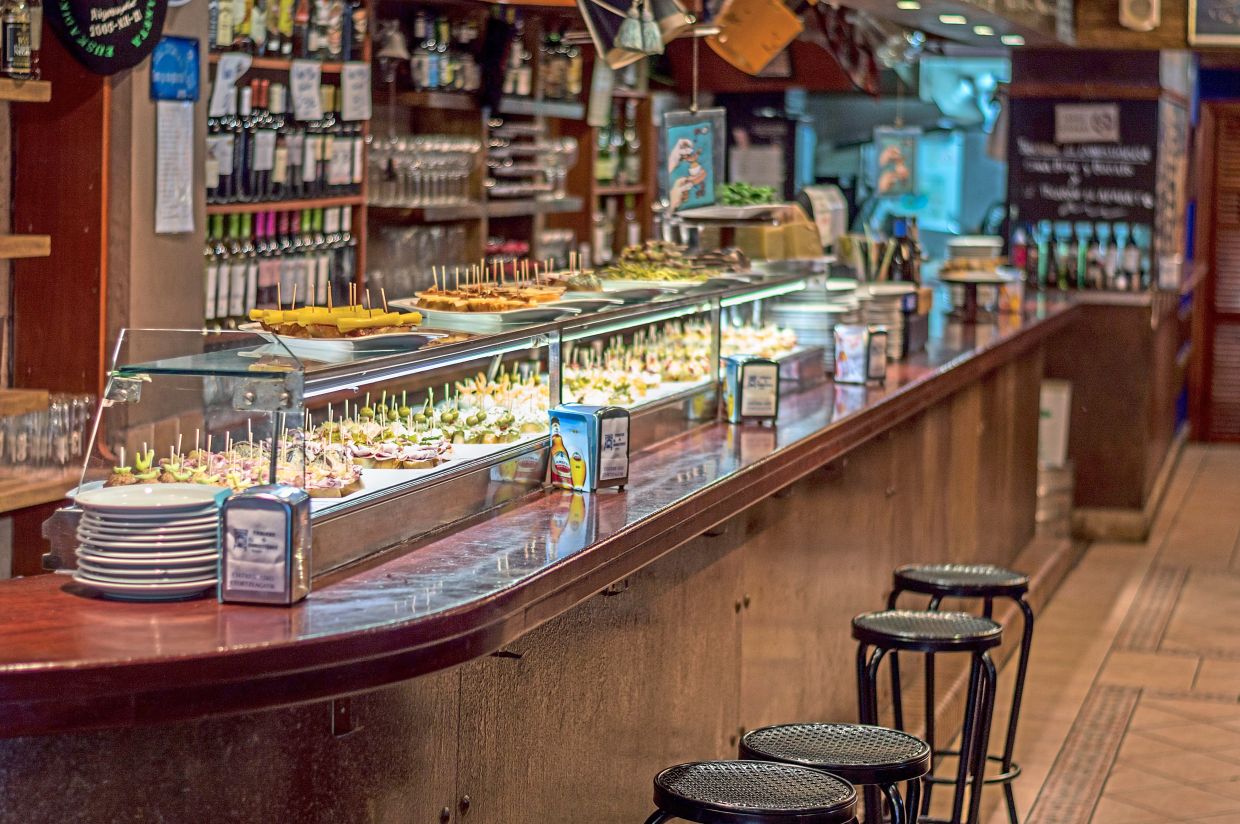
In the Basque Country, you’ll find that this region has its own version of tapas called pintxos (pronounced “peen-chos”), essentially bite-sized snacks skewered onto a small piece of bread with a toothpick. Remember not to throw those toothpicks away after eating, as that’s how the restaurant or bar keeps tabs on how many servings of pintxos you’ve had.
We’ve included a few tapas in the list, so you have somewhere to start out of the hundreds that you are sure to encounter when in Spain.
From main courses to desserts and drinks, consider tasting some of these when you come across them. Buen provecho!
Empanada gallega (Galicia)
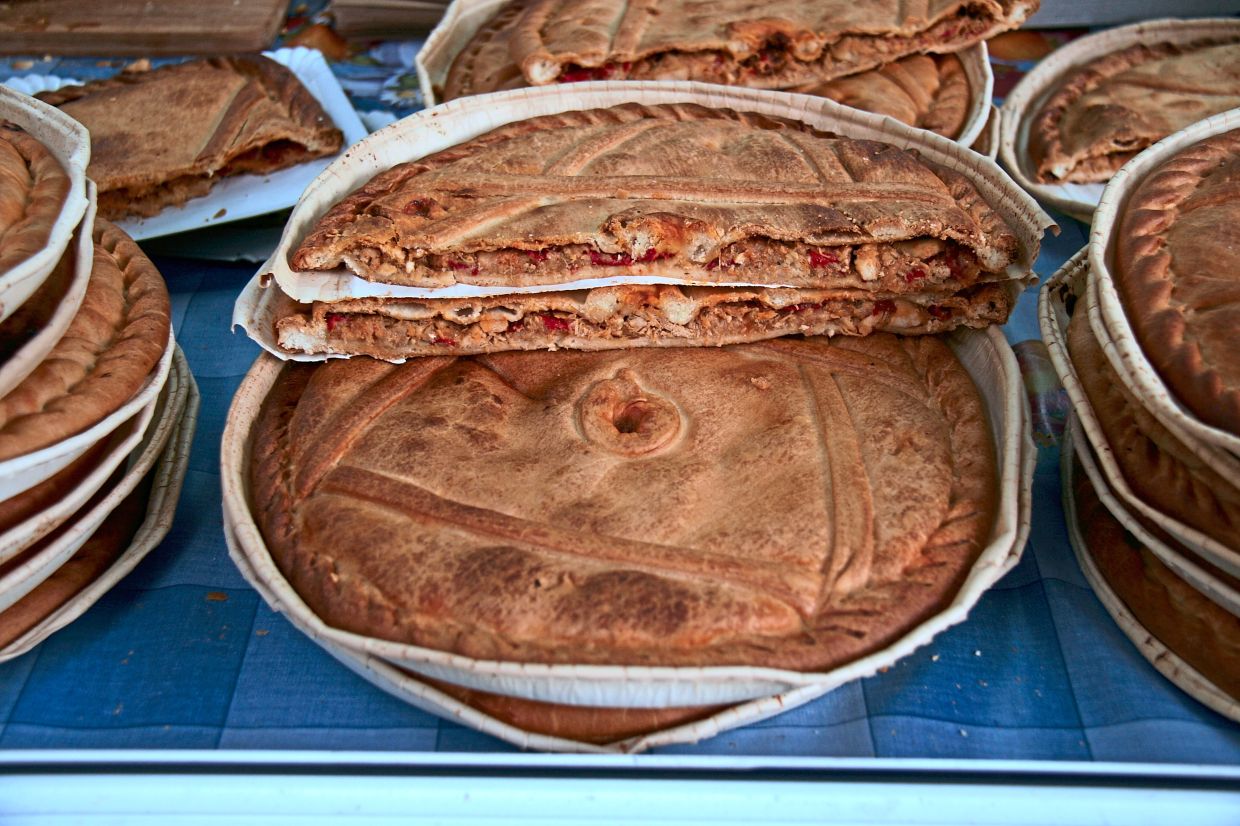
When you hear “empanada”, you might visualise a “karipap-looking” pastry. While the crescent shape holds true for most empanadas, it does not quite apply to Spain’s empanada gallega.
Technically, this traditional savoury pastry from the Galicia region is available in various shapes and sizes, but it does most popularly come in the form of a small rectangular slab.
That’s because empanada gallega is usually cooked as a large pie that’s then cut into several pieces for easy sharing.
Also called the Galician pie, it is made with thinly rolled flour dough filled with various ingredients such as meat, seafood or vegetables. Another layer of dough is placed on top to cover everything.
The fillings typically consist of pork and chorizo (pork sausage). But since Galicia has a coastal food culture, the most popular filling here is tuna. Cod and cockles are common options as well.
The empanada is baked, not fried, and can be eaten hot from the oven or after it has cooled down.
You can find empanada gallega at bakeries and supermarkets, and they are usually sold by weight.
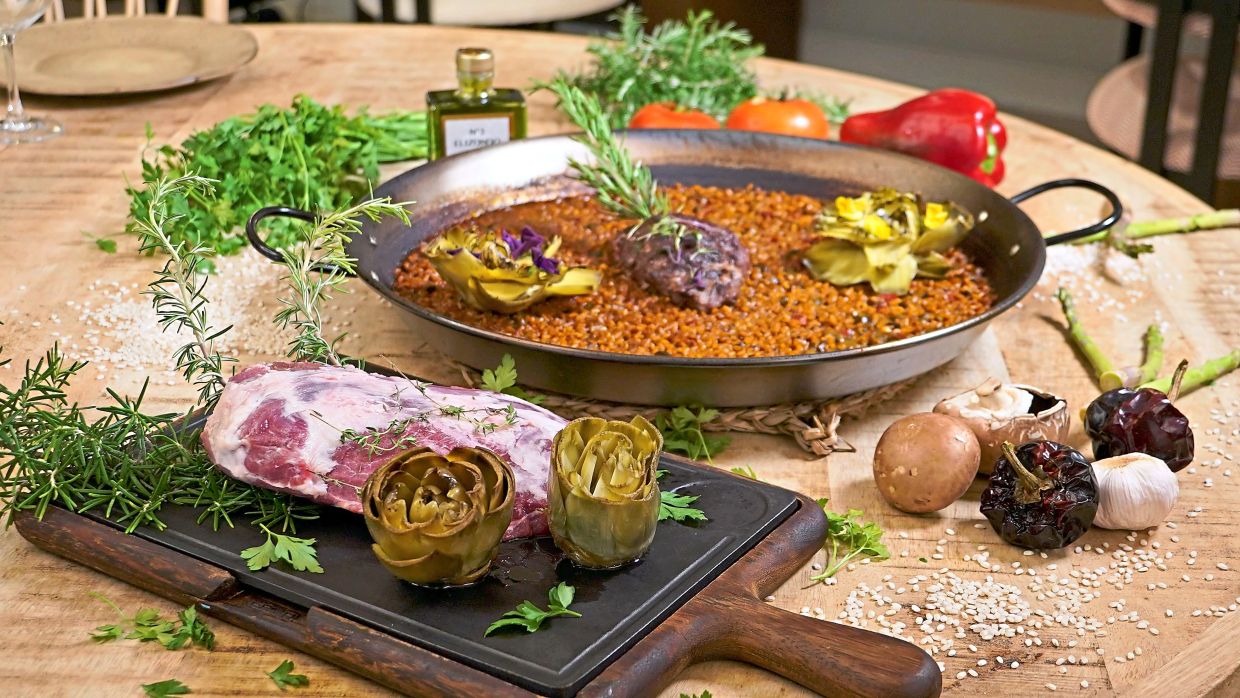
Paella valenciana (Valencia)
You can find the rice dish paella all across Spain, but the coastal region of Valencia is where the dish is said to originate from.
Seafood paella is a popular variant favoured by locals and tourists alike. Even in Malaysia we tend to see this version more.
In Valencia, however, if you seek the most authentic recipe of paella, find one that comes with chicken, rabbit and local beans, among other ingredients.
If you’ve had the dish before, whether in Spain or elsewhere, then you know that the rice – the short-grain variety like Bomba, as it is starchier than the long-grain ones – is the star. It is cooked in a wide, shallow pan so it can soak up the flavours of the meat, vegetables and stock.
Paella valenciana is usually cooked over a flame; wood fire can give the rice a smoky aroma.
But what about those crispy bits of rice at the bottom of the pan? There is actually a name for it: socarrat.
Getting that layer right takes some skill, as the rice at the base has to cook until golden and crisp. You’re in for a treat when you hear that gentle crackle as you scrape the bottom of the pan for those last, delicious bits.
Cocido madrileno (Madrid)
Of the many variations of cocido – a traditional stew made with chickpeas, meat and vegetables – the most popular across Spain is cocido madrileno.
Hailing from Madrid, the dish is especially popular in autumn and winter. You can imagine how comforting it is to both stomach and soul when you sit down to a steaming bowl of this hearty stew after a long day of exploring out in the cold.
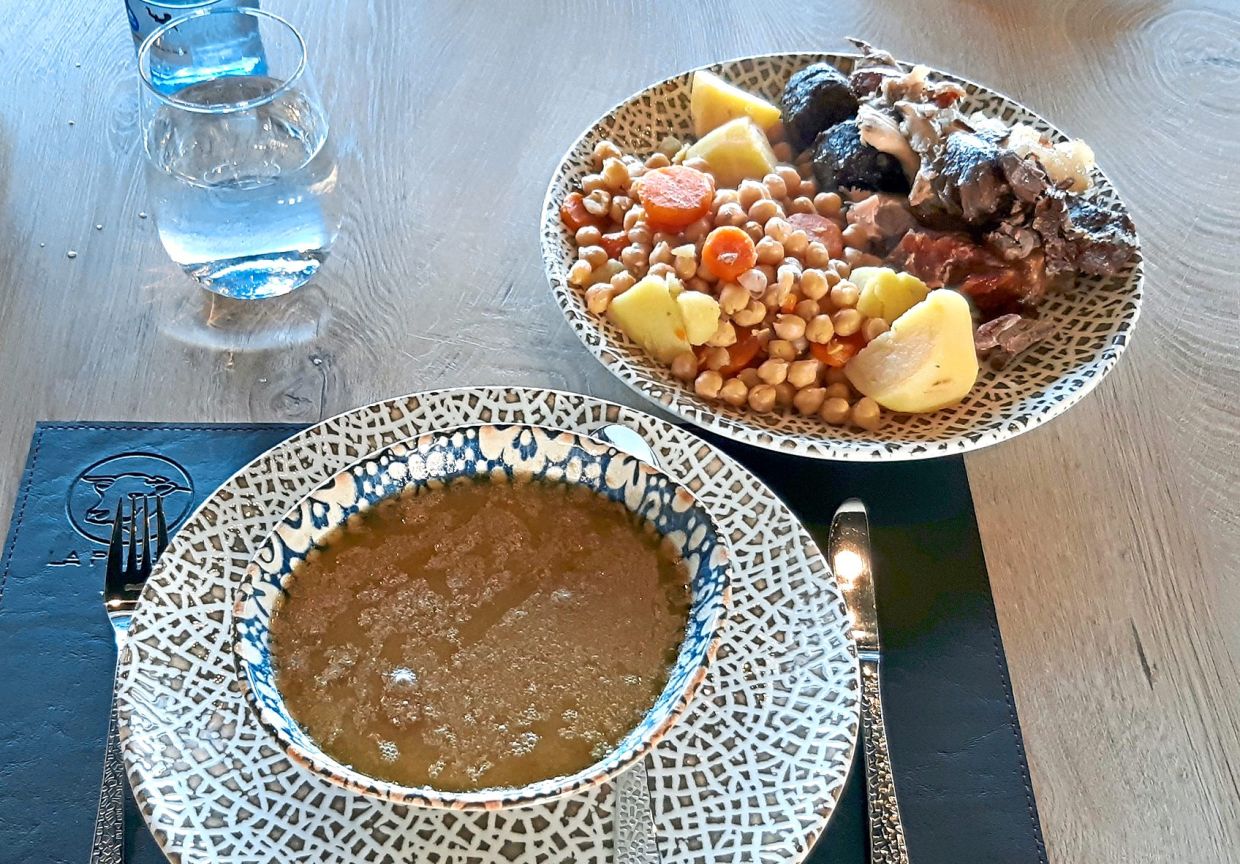
But here’s the interesting part: you don’t get everything in one bowl. The broth, chickpeas, vegetables and meat are served separately. In other words, you get them “in stages”. Put all the courses together, and you will have quite a feast.
You will start with a bowl of warm broth, usually with noodles, followed by the chickpeas and vegetables. The meal then ends with the meat and sausages.
The ingredients can vary from one restaurant to another, but chorizo, potatoes and cabbage are often part of the dish.
Interestingly, while other regional varieties of cocido follow this same three-stage way of serving, cocido maragato (from the Leon province) is the only one to do so in reverse. The meat portion will come first, before the vegetables, then finally the soup.
Patatas bravas (Catalonia)
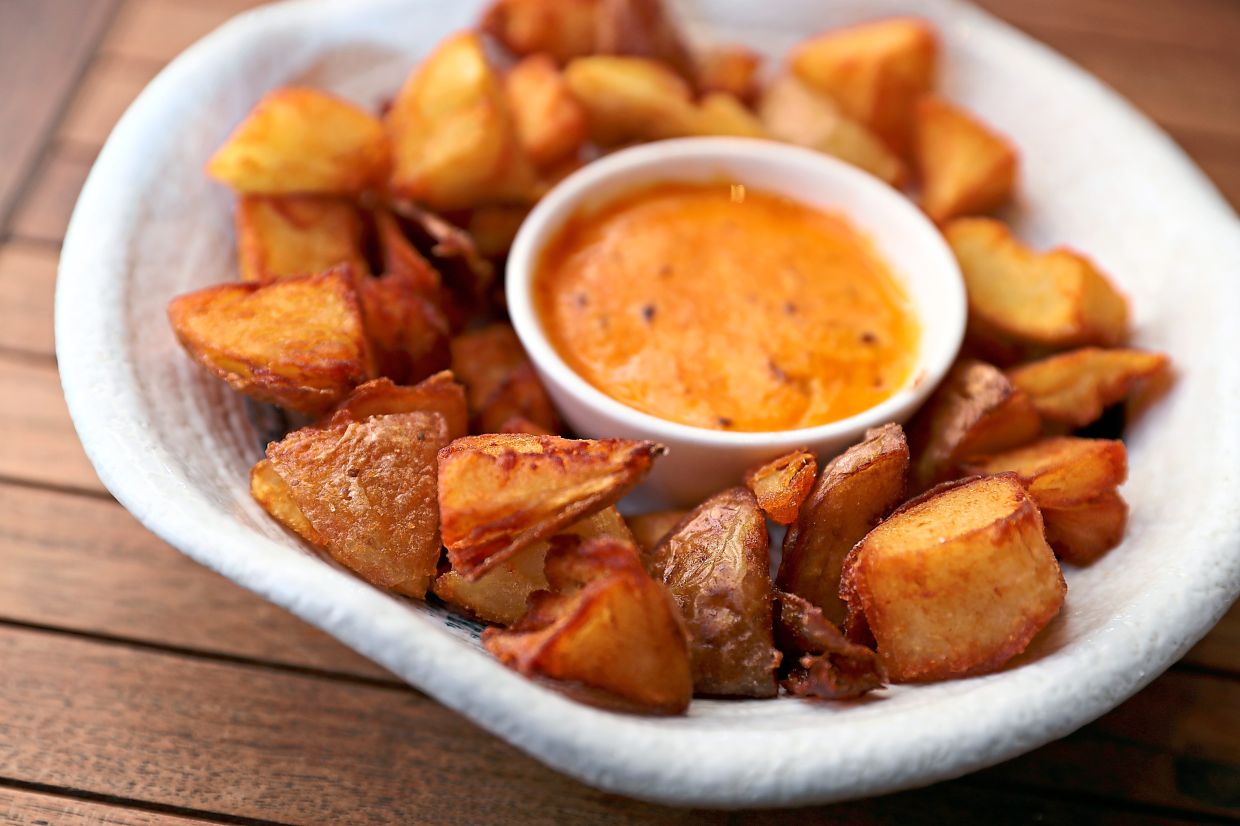
One of the most popular tapas in Spain is the patatas bravas. Technically, this dish originated in Madrid, but it has subsequently become synonymous with Barcelona, the capital city of the Catalonia region.
Patatas simply means potatoes, which the Spanish usually serve with alioli or salsa brava. When served with the latter, that dish is what’s referred to as patatas bravas.
You might have seen modern recipes that call for tomatoes in the dish, but the traditional version does not require it.
Its signature red colour comes from combining both sweet and hot paprika, with chilli peppers to give it the spicy “brava” kick. This sauce or salsa is then drizzled over crisp fried potatoes.
If you don’t fancy anything spicy, go for patatas alioli, which is boiled potatoes tossed in Mediterranean garlic and oil sauce.
Patatas alioli also has its modern iteration that includes garlic mayonnaise. But traditionally, the sauce should only be made from an emulsion of garlic and olive oil.
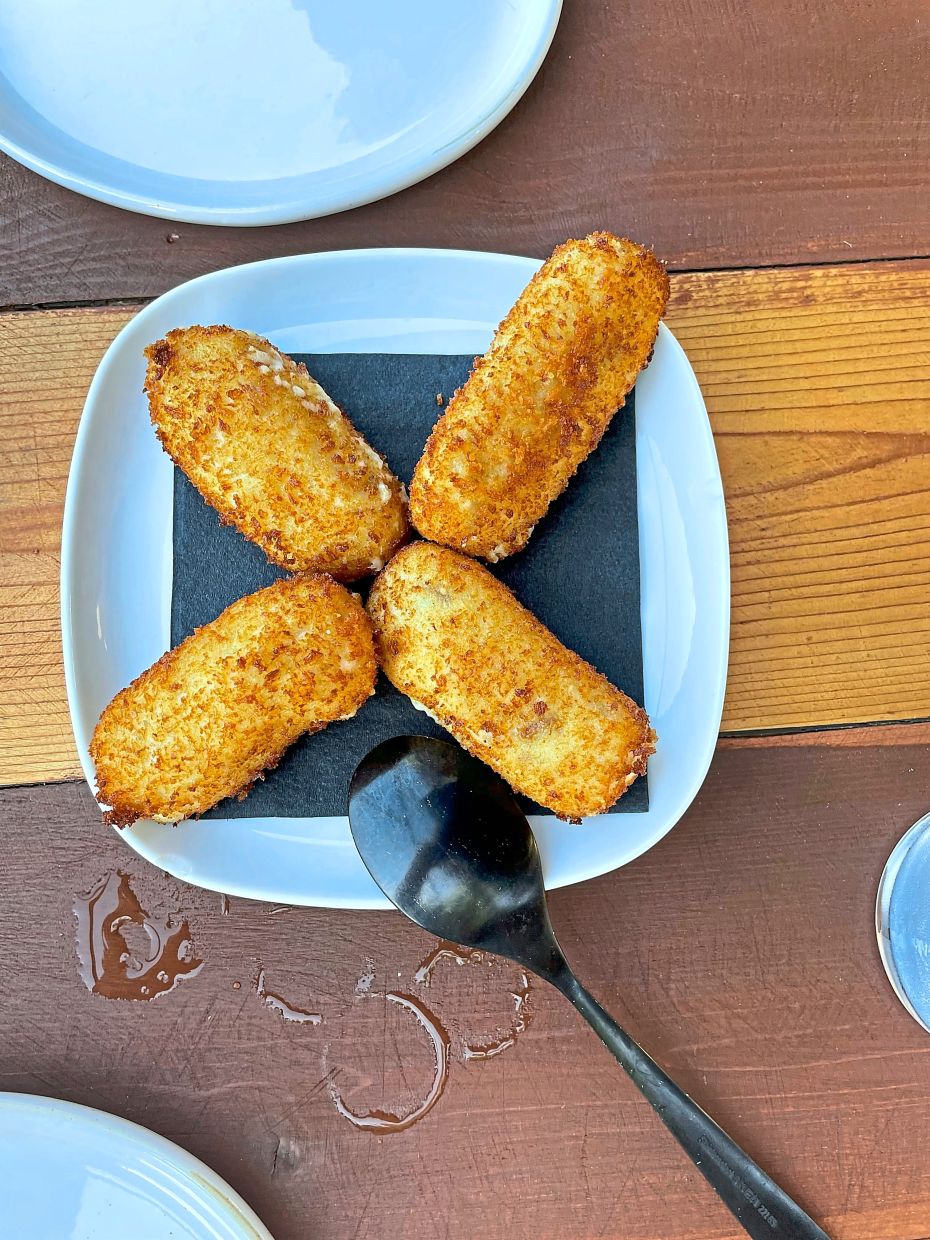
Croquetas de cocido (Madrid)
Macao has the Portuguese-Macanese dish pasteis de bacalhau (salted cod fritters) and Japan has korokke. These are just two of the various localised adaptations of France’s croquette, a crispy deep-fried roll with fillings and coated in breadcrumbs.
Spain’s version is called croqueta. Basically, any small, breaded fried roll made from a creamy bechamel mixture – a smooth sauce comprising butter, flour and milk – is recognised as a croqueta.
Of course, there are several variations depending on the fillings inside. These include croquetas de bacalao (salt cod croquettes) that’s similar to Macao’s pasteis, croquetas de boletus (mushroom croquettes) which has an earthy taste, and croquetas de jamon (ham croquettes), the most widely eaten version across the country.
It is believed that the snack found its way from France into Spanish kitchens during the 19th century. The hardship brought by the war at the time influenced how croquetas were traditionally made, which usually used leftovers from stews.
If you enjoyed the aforementioned cocido madrileno, you’ll love croquetas de cocido, as it is made from the leftovers of the chickpea stew. When eating out, locals commonly bring home any meat left from their cocido, so that they can make these croquetas at home.
Croquetas are also very similar to French croquettes in the sense that they are often served without any accompanying dips, unlike other countries’ croquette variations.
Torrijas (Andalusia)
Ash Wednesday marks the beginning of Lent for the Roman Catholics, but in Spain, it also marks the torrija’s bountiful appearance in bakeries and homes across the country.
As Catholics abstain from eating meat during the fasting period (40 days before Easter), the torrija serves as their indulgent treat while observing abstinence.
Of course, you can be of any faith to enjoy this sweet bread, especially now when it’s become more common to find torrijas served outside of Lent.
In fact, the torrija’s roots were not particularly religious. The dish has been prepared since ancient times as a way to consume stale bread and prevent food waste. In medieval Europe, it was fed to new mothers to help with recovery after childbirth.
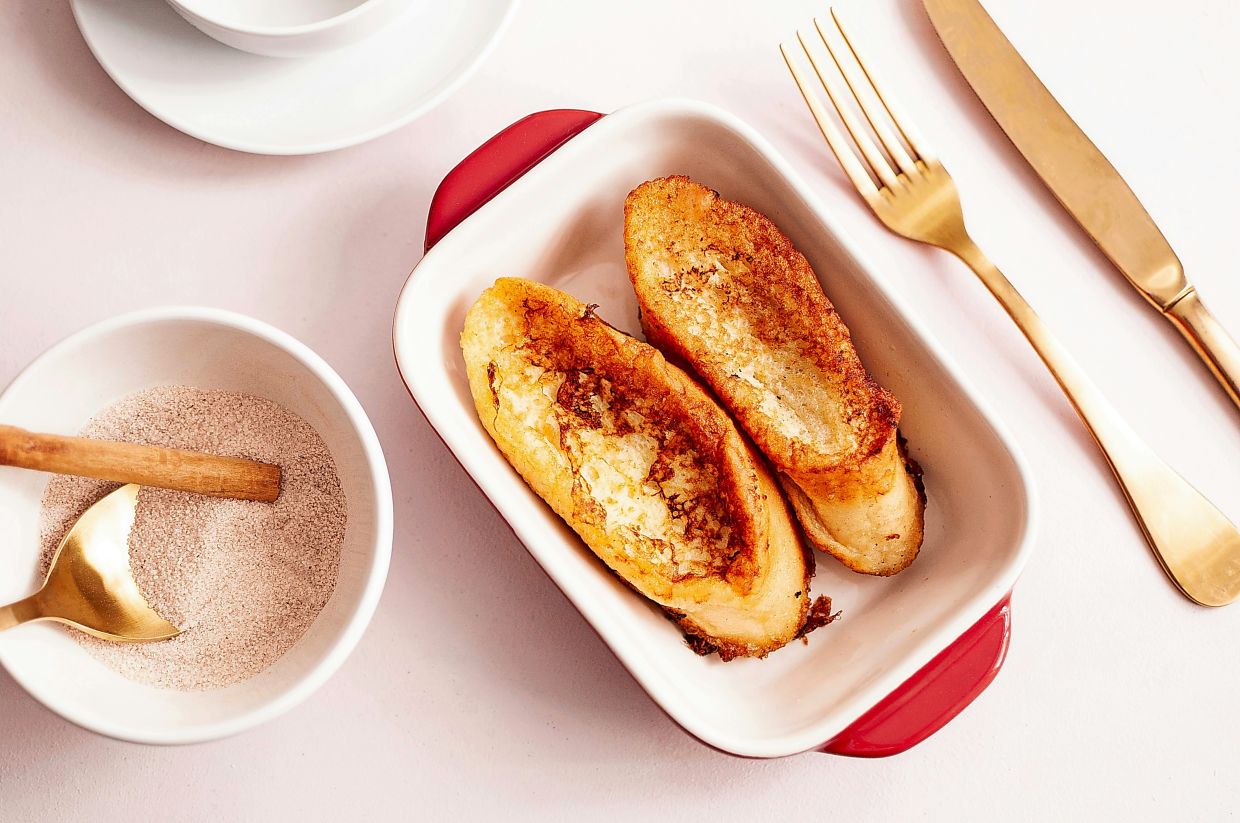
Now it is regarded as a traditional Spanish dessert. You can make it yourself, as all you’ll need are slices of bread soaked in milk, which are then coated in egg and fried in olive oil. Sprinkle sugar and cinnamon on top to complete the dish.
You know you’ve made it right if the end result looks a lot like French toast. Torrijas are nicknamed the “Spanish French toast”, after all.
Tinto de verano (Andalusia)
When dining out with friends at a Spanish restaurant, your default drink order will most likely be sangria.
Well, when in Spain, do like the locals do and order tinto de verano instead. A cold glass of this wine cocktail is what folks look out for, especially in the summer.
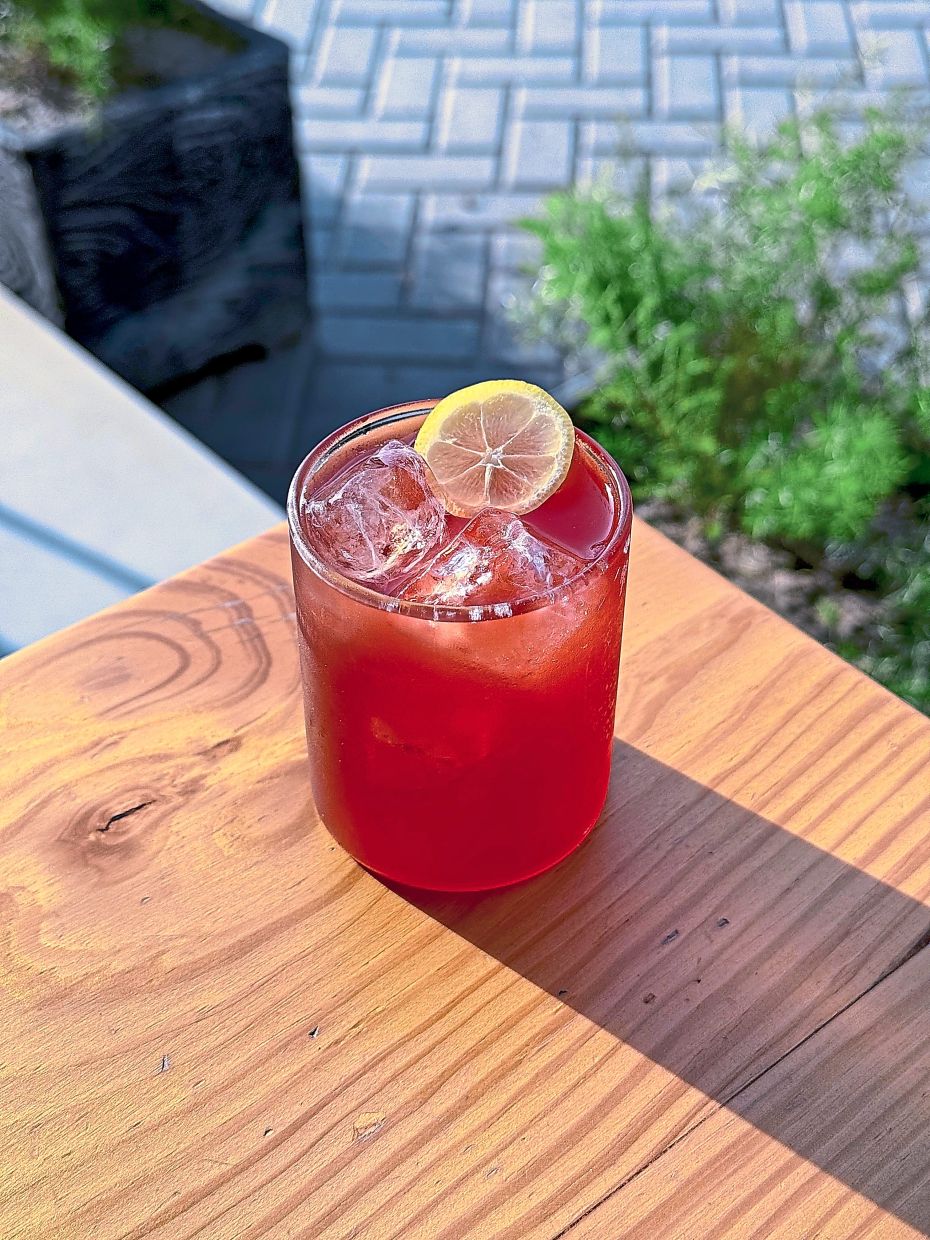
Its name translates to “summer red wine”, and that is basically what it is: red wine mixed with fizzy lemonade or soda, usually in a 50-50 ratio.
Both tinto de verano and sangria are wine-based drinks, but the former has a simpler recipe while the latter involves slightly more ingredients, including chopped fruits and liquor.
Sangria happens to be the more widely known of the two, since it is commonly found at venues and events catering to tourists. But tinto de verano’s straightforwardness – fast and easy to make – is exactly what makes it the preferred drink of locals.
The cocktail is said to have come from the city of Cordoba in Andalusia. It emerged in the mid-20th century as a refreshing alternative to red wines, perfect for quenching one’s thirst on those sweltering summer days.
Horchata (Valencia)
For a completely non-alcoholic alternative to either tinto de verano or sangria, you can order a cold glass of horchata.
Also called orxata in the Catalan language, this drink is popular in the Valencia region, where it is believed to have originated during the 13th century.
At a glance, you might confuse the Spanish horchata with the Mexican horchata, but the two are quite different. While both have a creamy milkshake-like appearance, the Spanish version is dairy-free whereas the Mexican one has milk.
Also, the latter is made from ground rice and sweetened with cinnamon.
Meanwhile, the Spanish horchata is made from ground tiger nuts (chufa), water and sugar. The traditional recipe calls for neither lemon peel nor cinnamon, but these two do occasionally feature in homemade iterations.
Served icy cold, this drink is perfect for cooling down during the summer months.
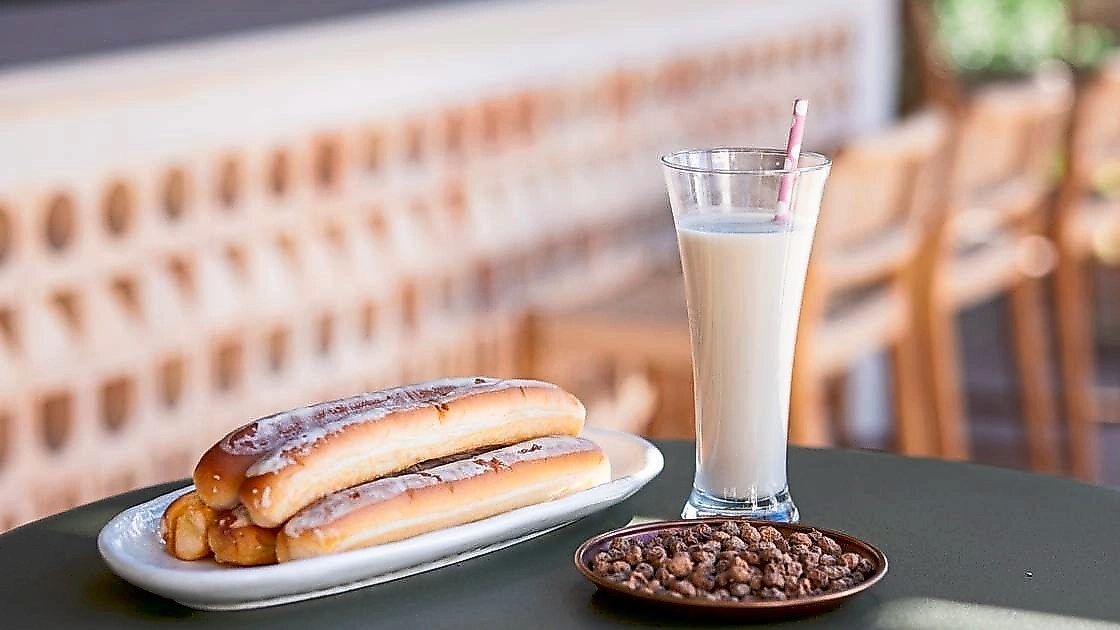
It’s even better if you can get a hold of a farton or two, as Valencia’s traditional bread is often paired with horchata. This spongy, sweet treat, purported to have been invented in the 1960s, is rolled into an elongated shape specifically for easy dipping into the drink.
Fartons in one hand, horchata in another – there’s no sweeter way to end a fruitful day exploring Spain.
Spanish cuisine to check out
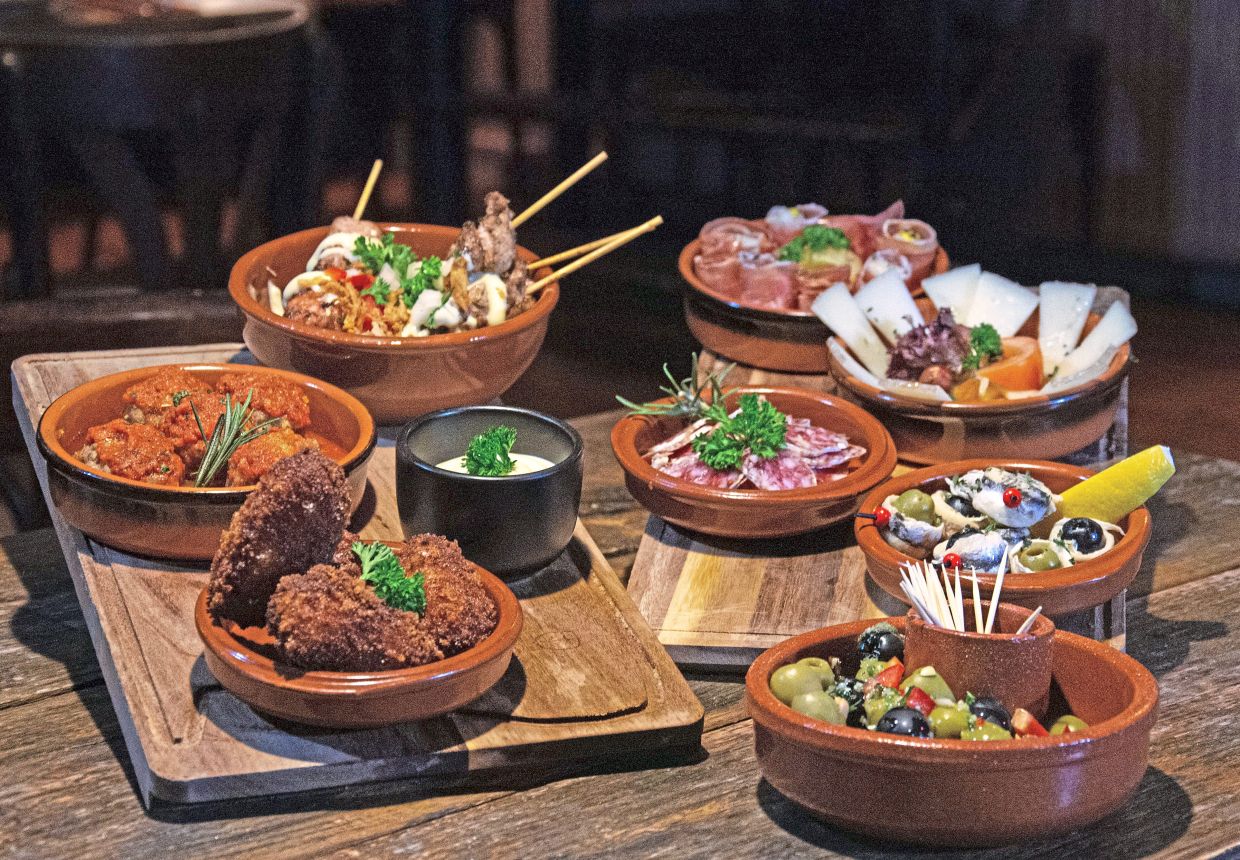
There is more to Spanish cuisine than just tapas. — Pexels
Don’t immediately throw away the toothpicks when you’re eating pintxos. — Pexels
Empanada gallega is also known as the Galician pie. — TAMORLAN/Wikimedia Commons
The traditional paella valenciana does not contain seafood. — Pexels
Cocido madrileno is a traditional chickpea stew from Madrid. — ELINGUNNUR/Wikimedia Commons
Croquetas are usually eaten without dips. — Unsplash
Torrijas are also called Spanish-style French toast. — Unsplash
Locals usually prefer tinto de verano over sangria. — Pexels
Horchata is often paired with the traditional bread, fartons. — Visit Valencia
Patatas bravas is one of the most popular tapas item in Spain. — GLENN GUAN/The Star