Growing up in a single parent household, Nureen Syamimi Zulkifli understood from an early age what her family could and couldn’t afford. Watching others enjoy privileges she didn’t have sometimes made her wonder whether her circumstances would define her future.
But her mother taught her to look beyond their financial standing.
“She encouraged my passion for learning,” says the 22-year-old from Alor Setar, Kedah. “She told me that knowledge makes the man/woman, and that money isn’t all there is to life.”
Those words stayed with Nureen Syamimi as she grew older and became increasingly determined to seek opportunities to broaden her horizons.
Her mother’s example was equally powerful. Living with diabetes and other health complications for more than two decades, she continued to care for her children, managing the household despite the toll it took on her health.
It was only when her mother’s condition began to deteriorate during Nureen Syamimi’s second year of secondary school that she truly understood the extent of her mother’s sacrifice.
“As a teenager, the news came as a shock to me. I remember thinking, ‘But Mama was always so strong, how could this happen?’” she recalls.
Her mother’s enduring advice – to trust God, be kind and work hard – became a guiding principle.
When Nureen Syamimi heard about the East Coast Rail Link Industrial Skills Training Programme (PLKI-ECRL), she initially assumed the opportunity wasn’t meant for someone like her.
The fully-sponsored programme, jointly conducted by Malaysia Rail Link (MRL) and China Communications Construction Company (CCCC), offered young Malaysians industry-specific training for careers with the ECRL.
“I thought of myself as just ‘a student from a low-income family’, and that held me back. I didn’t consider myself worthy of such an opportunity,” she says.
Yet, just before her lecturer finalised the list of interested students, she submitted her name. But there was hesitation: her mother was unwell, the family’s finances were uncertain and Nureen Syamimi had only recently completed her studies in entrepreneurship.
Her elder sister was also concerned about her leaving home for almost a year.
Despite the conditions, her mother encouraged her to go.
“She believed wholeheartedly that I could complete the one-year programme and build a better future for myself beyond our hometown,” says Nureen Syamimi. “Her confidence in me made me realise that I was ready to take on this opportunity.”
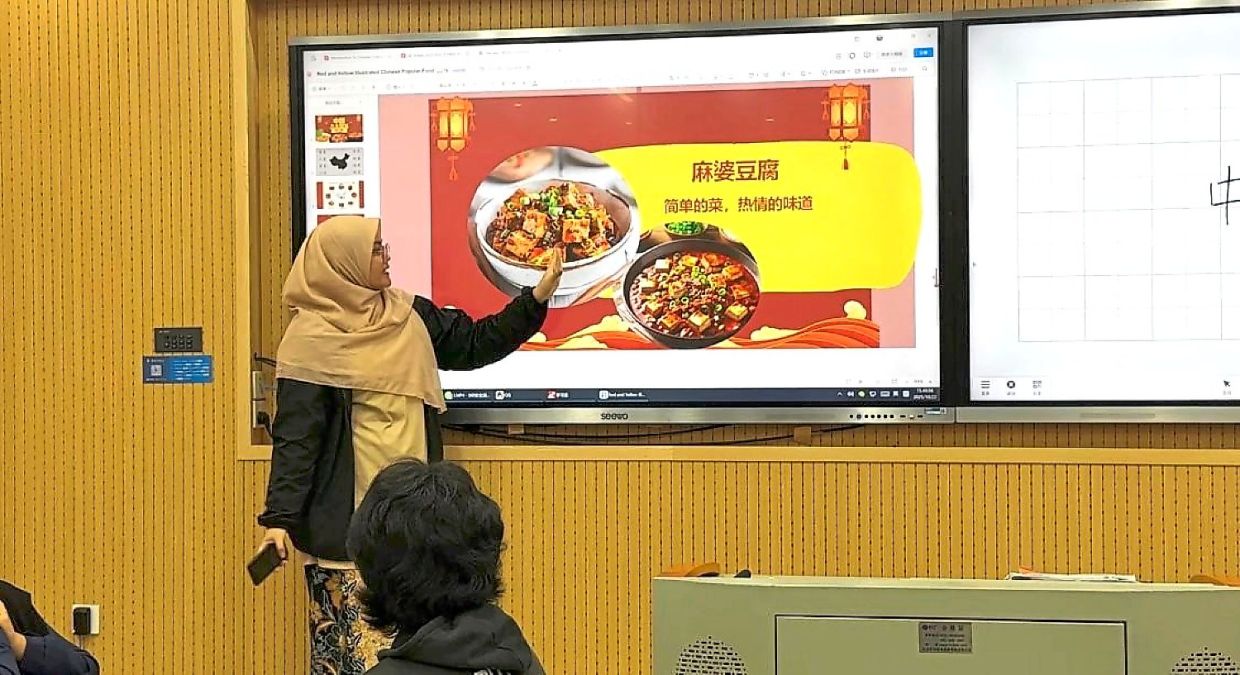
In Liuzhou, China, she underwent intensive theoretical and practical training at Liuzhou Railway Vocational Technical College, studying everything from signalling and communications to railway safety, shunting operations, and train reception and dispatching.
Her days could stretch from 8.30am to 8.30pm. But the challenge extended beyond the classroom. She had to adapt to a new culture, learn Mandarin and navigate life far from home.
As a Muslim, finding halal food and convenient facilities for daily prayers was sometimes difficult. Most challenging was being unable to be there for her mother during medical appointments.
Frequent video calls helped bridge the distance.
Meanwhile, learning Mandarin pushed her further from her comfort zone. With encouragement from her lecturers, she eventually passed the HSK3 Chinese proficiency examination.
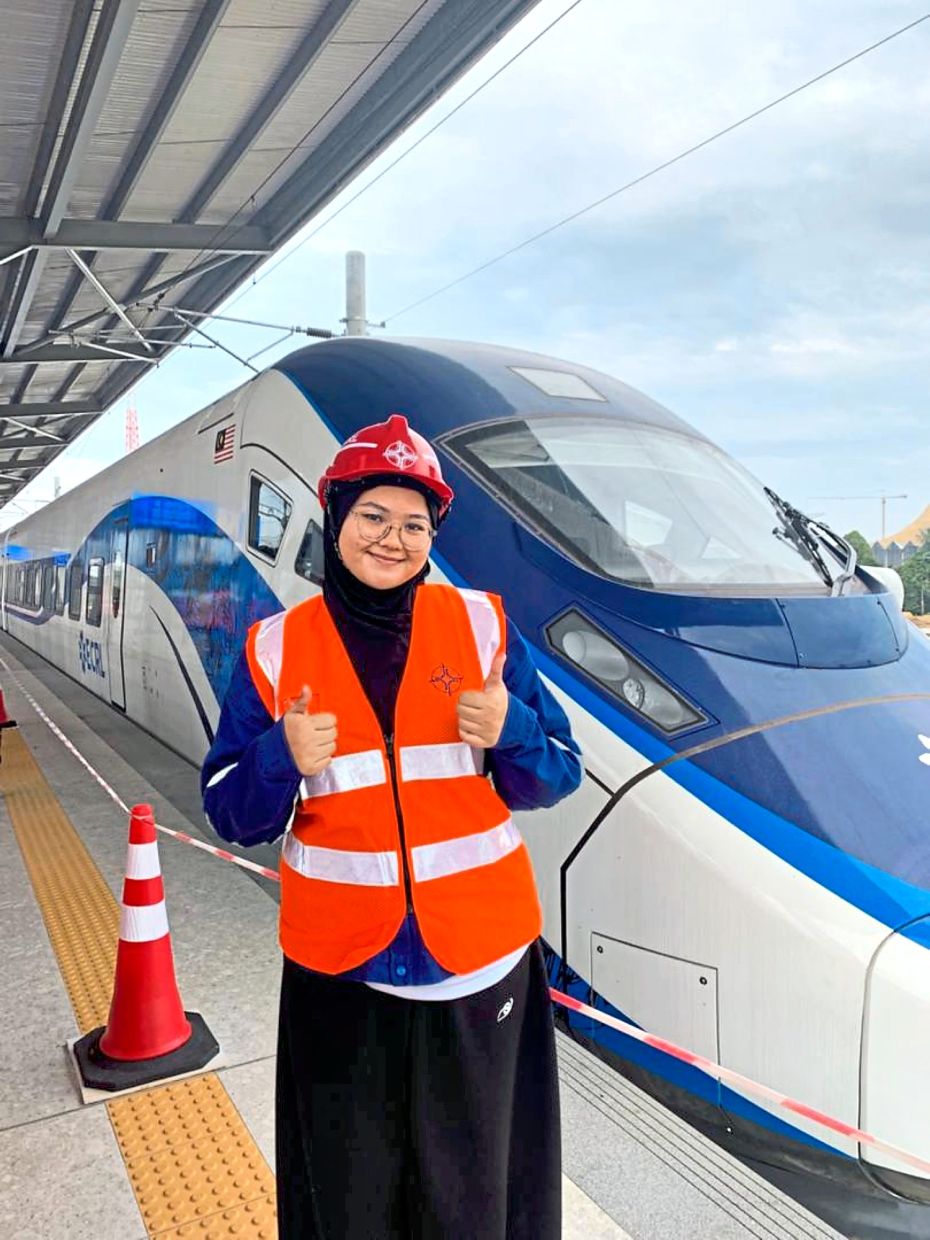
Railway work wasn’t a career she had previously imagined for herself, particularly as a young woman entering a field often perceived as male-dominated.
But practical training – including physically demanding shunting exercises – showed her that capability is built through effort.
"There were instances when I doubted myself," she says. "Despite the physical demands of the course, I successfully completed the training, and having the 'I can do it' mindset is a big reason for that."
Today, she sees herself differently.
"I grew from the girl who always thought she wasn’t worth it, into someone who’s comfortable expressing herself and knowing her value," she says.
As her training comes to an end, Nureen Syamimi is preparing to take on the role of station duty officer with the ECRL. She hopes to continue learning, further her studies and contribute to a railway network that connects the east and west coasts of Peninsular Malaysia.
For someone who once questioned whether she was worthy of an opportunity, it’s a remarkable transformation.
Her message to other young women is simple: fear should not be an end to your dreams.
"Your doubts and fears are valid, but opportunities don’t always come by," she says. "The first step towards breaking the norm is to trust yourself and confidently take the opportunities that come your way."
A future beyond circumstances
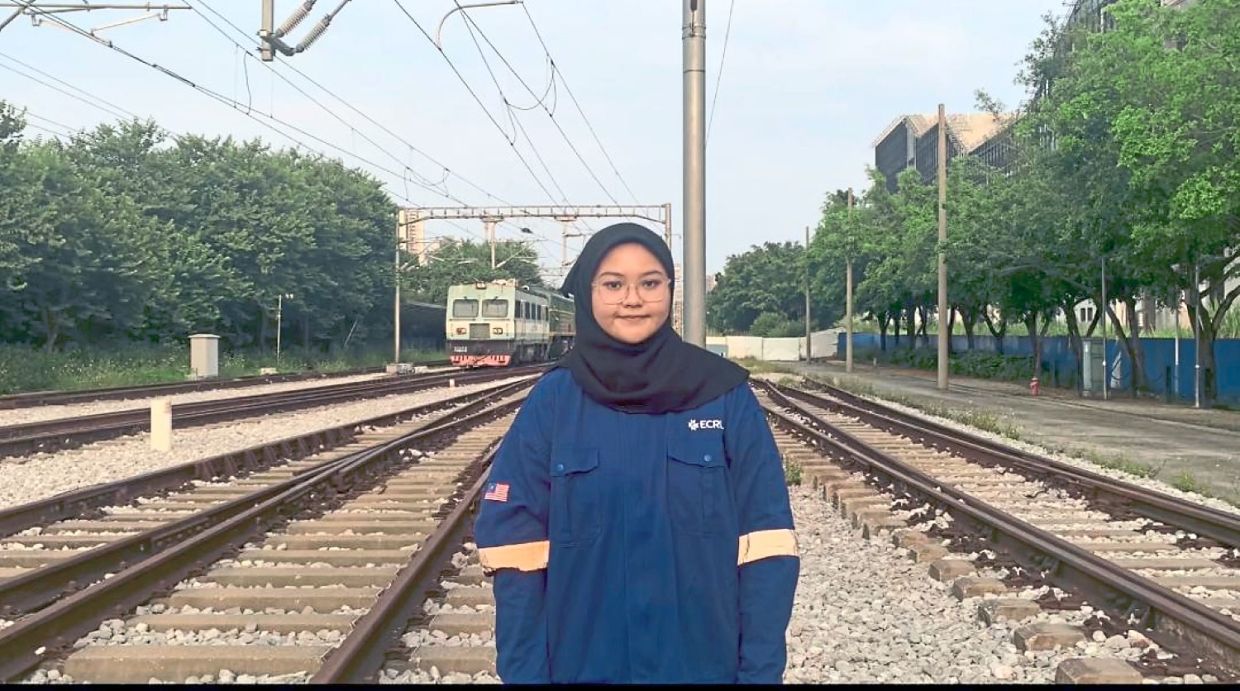
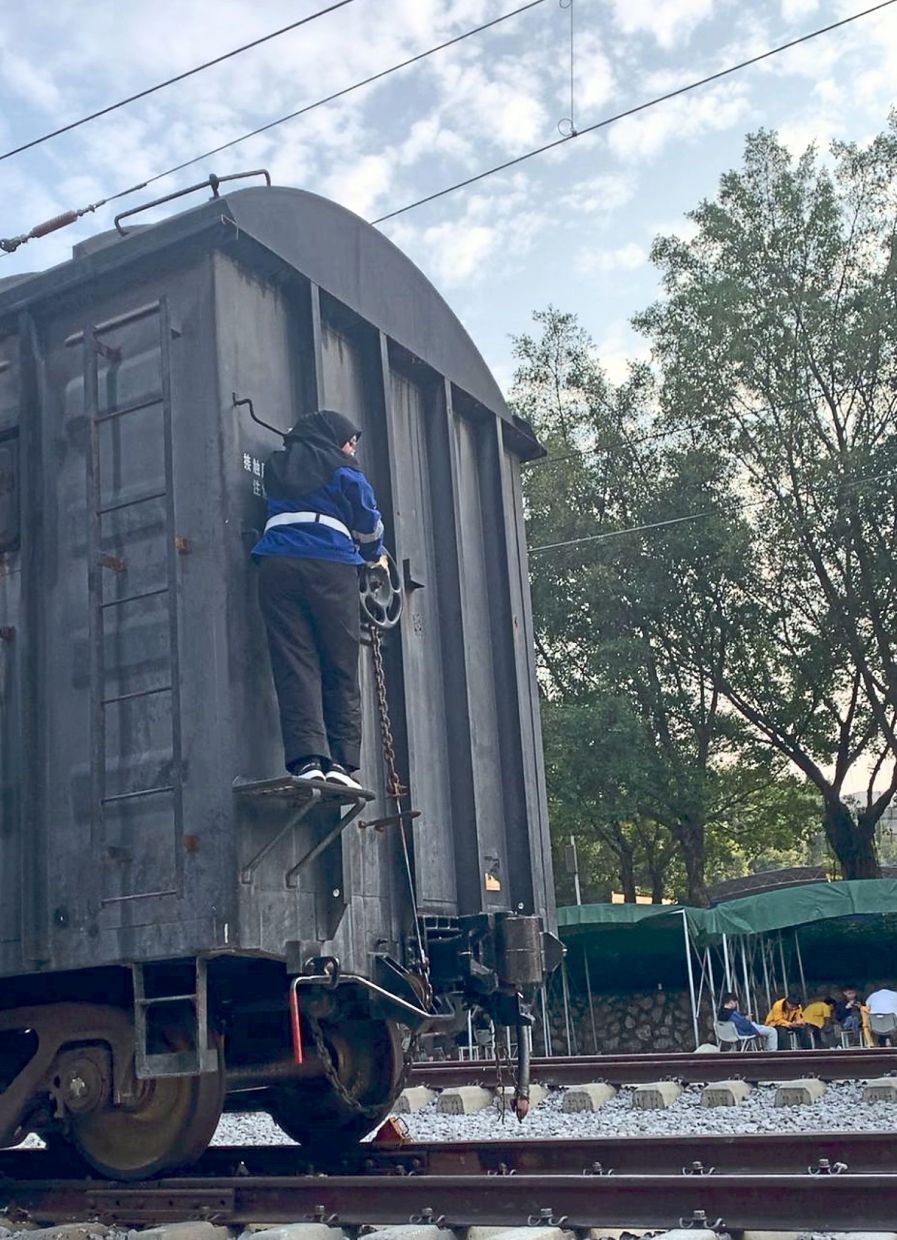
Nureen Syamimi at the training ground in Liuzhou, China. Photos: Nureen Syamimi Zulkifli
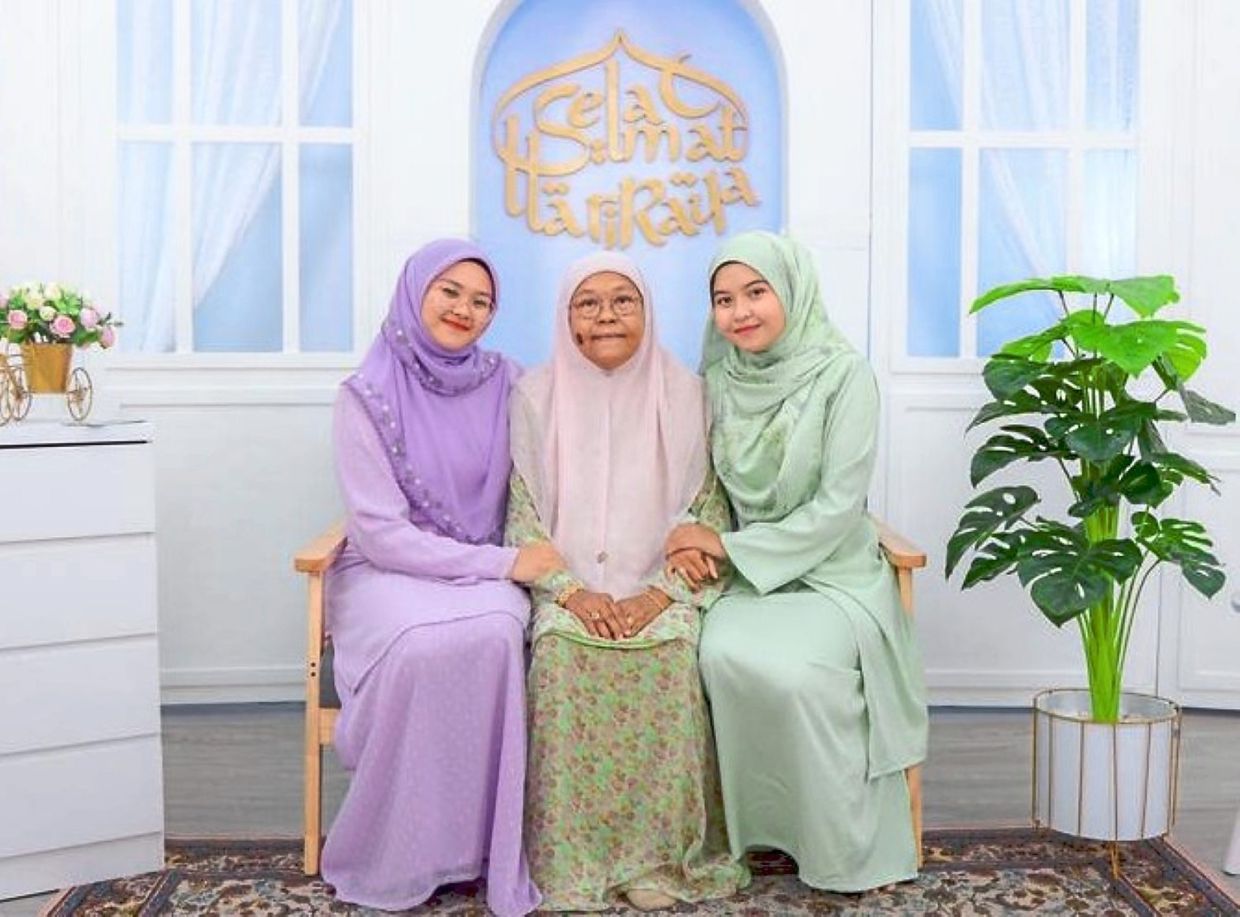
(From left) Nureen Syamimi with her mother and elder sister.
Nureen Syamimi presenting the cuisines in China in Mandarin as part of her curriculum at college.
Nureen Syamimi undergoing hands-on training for handling the train’s manual brakes.
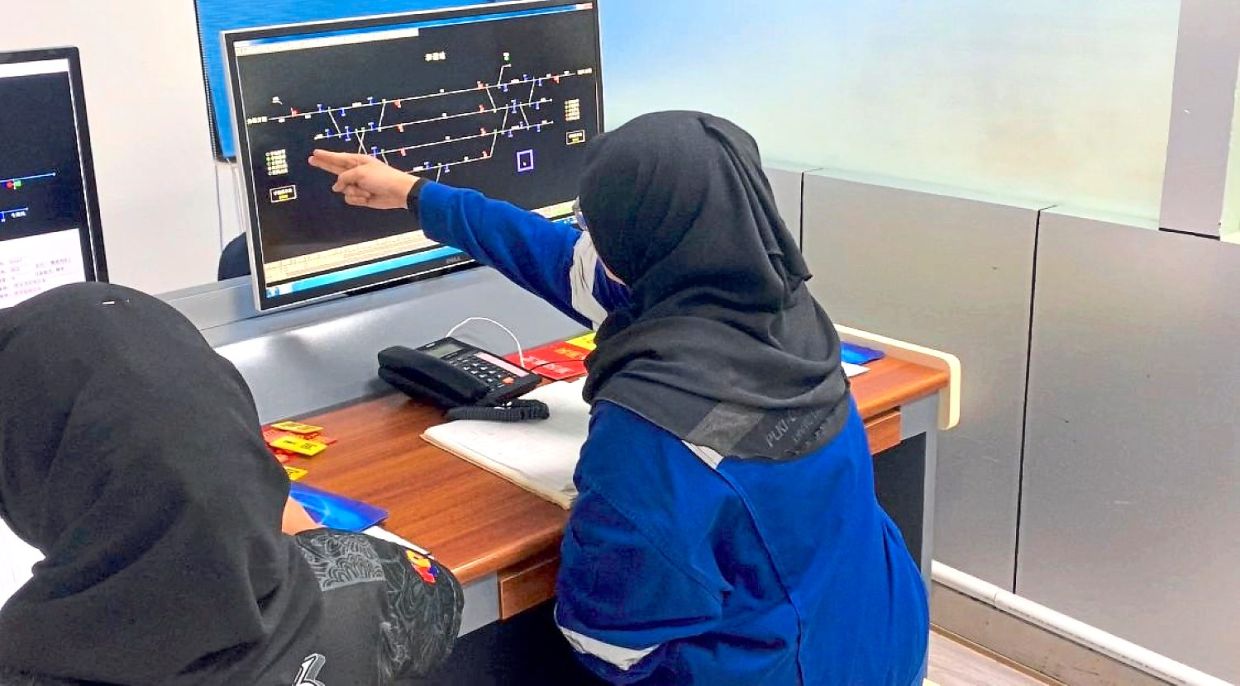
Nureen Syamimi practising the various train operation procedures using the train control system.
With ECRL’s Electric Multiple Unit (EMU) passenger train at KotaSAS Station in Kuantan, Pahang.